


 By guest - July 26, 2026
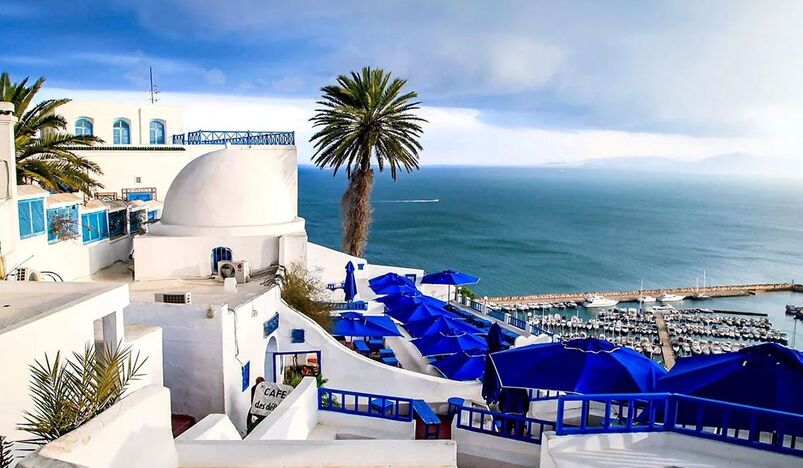
The Tunisian village of Sidi Bou Said has been inscribed on UNESCO's World Heritage List, in recognition of its distinctive architecture and its centuries-long contribution to Mediterranean civilisation.
The decision was adopted by consensus on Saturday during the 48th session of the World Heritage Committee, being held in Busan, Republic of Korea, from July 19 to 29. It brings the number of Tunisian sites on the list to 10 — the highest of any African country.
In a statement, Tunisia's Ministry of Cultural Affairs said the site had been recognised for its outstanding universal value, citing its distinct architectural identity, rich cultural heritage and enduring place in the history of the Mediterranean.
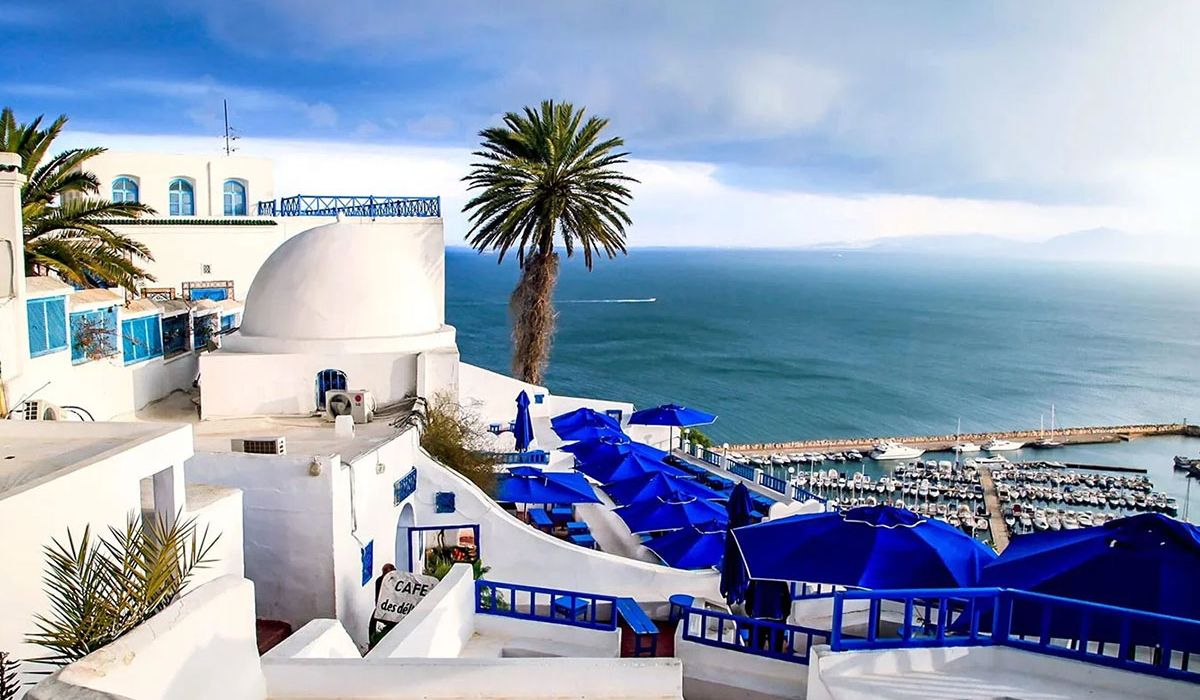
Perched on a cliff overlooking the Mediterranean Sea and the ancient ruins of Carthage, Sidi Bou Said is famed for its blue-and-white houses, cobbled alleys, blooming bougainvillea and sweeping coastal views. Founded in the 14th century, the village takes its name from the Sufi scholar Abu Said al-Baji, whose sanctuary became the spiritual heart around which the community grew over the centuries.
One of the Mediterranean's most celebrated destinations, the village has long drawn artists and writers and remains a major tourist stop, welcoming millions of visitors each year.
The listing is Tunisia's second major UNESCO recognition of 2026, following the inscription of the Dahar Geopark in the UNESCO Global Geoparks Network in April. The candidacy file, launched in 2024, was coordinated by the Ministry of Cultural Affairs and the National Heritage Institute with the country's permanent delegation to UNESCO.
The recognition comes at a sensitive time for the site, whose hillside setting was damaged by landslides after extreme rainfall last winter, underscoring the challenges of preserving the village for future generations.





_20-08-2026_05-08.jpg)
_27-51-2026_11-51.png)
_27-43-2026_12-43.png)



.jpg)
.jpg)



.jpg)


.jpg)
.png)
.jpg)











Leave a comment